Define the boundary purpose first
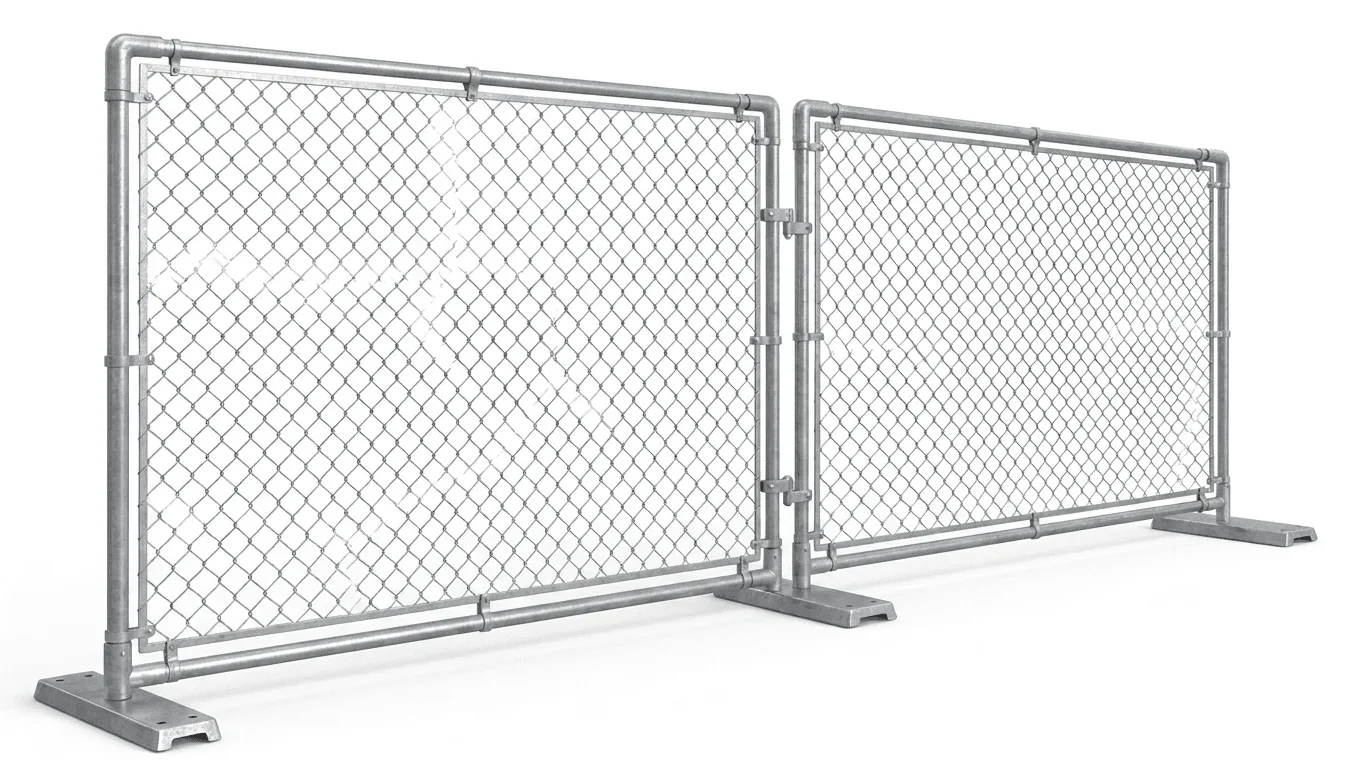
- Security perimeters benefit from continuous runs and controlled gates.
- Pedestrian guidance near busy entries calls for shorter sections with frequent turns and clear sightlines.
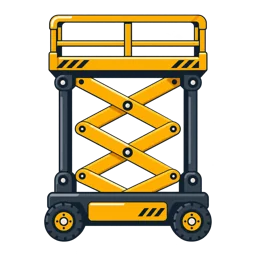
- Equipment separation around lift work zones needs offset spacing for swing radius and tool staging.
Surface, site-stability factors, and wind exposure
On silty soils, freestanding bases may shift after wet weather. Plan for stable footing and confirm drainage so panels don’t settle unevenly. Open areas on the lake plain can increase exposure; check that site-stability factors plans align with the site’s wind patterns and manufacturer limits.
Gates, corners, and emergency access
Industrial and healthcare settings require reliable access for deliveries and responders. Map gate locations to avoid blocking docks, hydrants, or building systems. Corners should account for turning vehicles and aerial equipment tailswing.
Integrating with lift and material handling
- For elevated tasks inside the perimeter, see /electric-scissor-lift-rental/ or /vertical-mast-lift-rental/.
- For uneven or soft outdoor surfaces, review /rough-terrain-scissor-lift-rental/ and /telescopic-boom-lift-rental/ to understand footprint and swing impacts on fence offsets.
Measurements that tighten the plan
- Total linear footage, number of gates, and clear widths
- Surface type and condition before/after rain
- Nearby traffic lanes, turning radii, and staging zones
- Expected project duration and need for reconfiguration
Exterior barriers are subject to actual site conditions, the panel system’s instructions, and your procedures, especially during windy periods or ground saturation.