Load and stability basics
Document pallet weight, dimensions, and center of gravity. Stack height targets determine mast stage and collapsed height, which also affects doorway clearance. If you must rack loads at higher levels, note the lift height and any overhead obstructions like sprinklers or conduit.
Aisles, docks, and Evansville building patterns
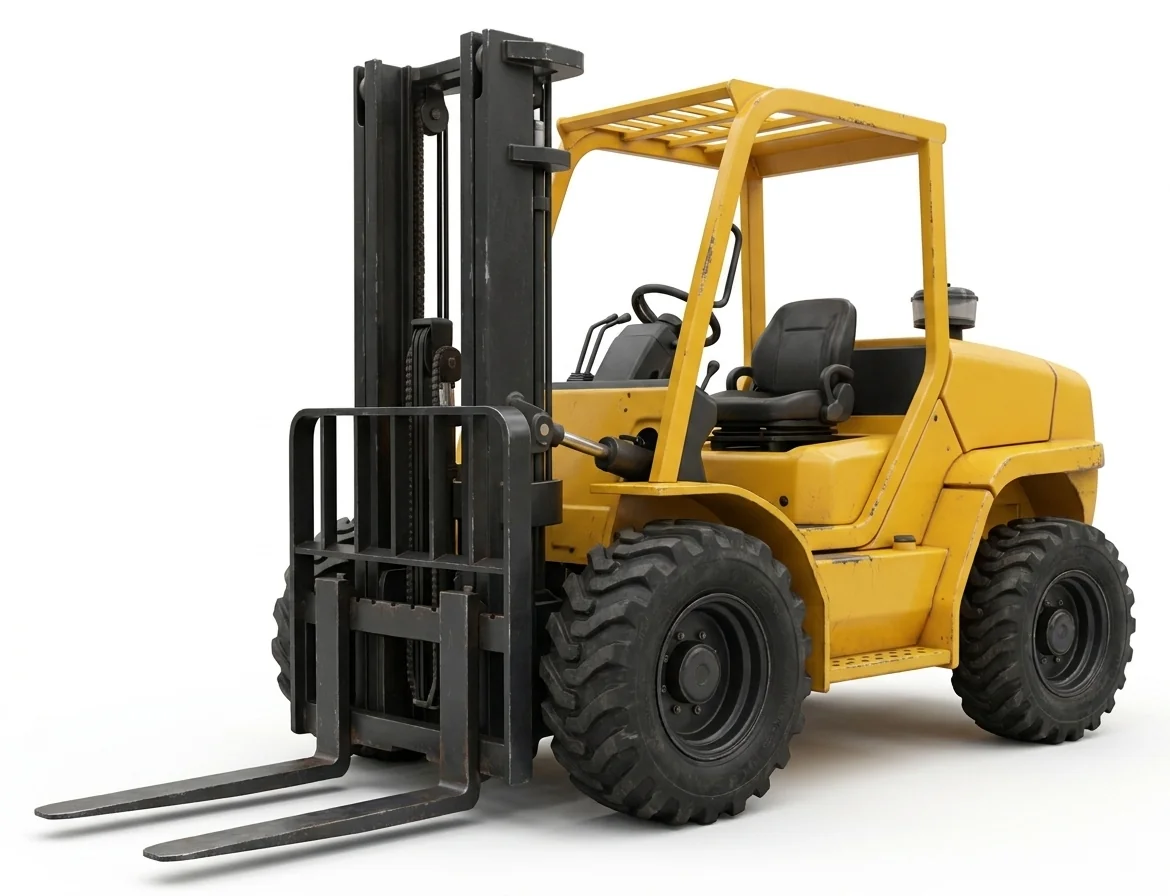
Local distribution layouts often mix wide main aisles with tighter pick lanes. Short-wheelbase or stand-up units fit narrower aisles, while pneumatic-tire trucks suit mixed indoor-outdoor work. Docks may transition to yard surfaces that soften after rain; moving from slab to silty ground can affect traction and stability.
Power source and climate
In tightly sealed interiors, electric forklifts reduce emissions and tire marks. Plan for charging access and duty cycles, especially during long, hot work windows common in the regional climate. For mixed-use yards, internal combustion units may align better with outdoor airflow and refueling logistics.
Route mapping and thresholds
Measure door widths, ramp slopes, and any plate-covered expansion joints. Note grade changes between dock levelers and trailers. If site security requires temporary barricades, plan storage and traffic flow with /temporary-fencing-barricades-rental/ to keep lanes open.
Related categories
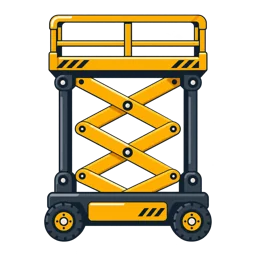
- For elevated access after materials are staged: /vertical-mast-lift-rental/ or /electric-scissor-lift-rental/
- For rough outdoor placement: /telehandler-rental/
Actual conditions, the selected unit’s instructions, and site procedures govern material movement. Confirm floor ratings and travel paths before settling on a truck class.